
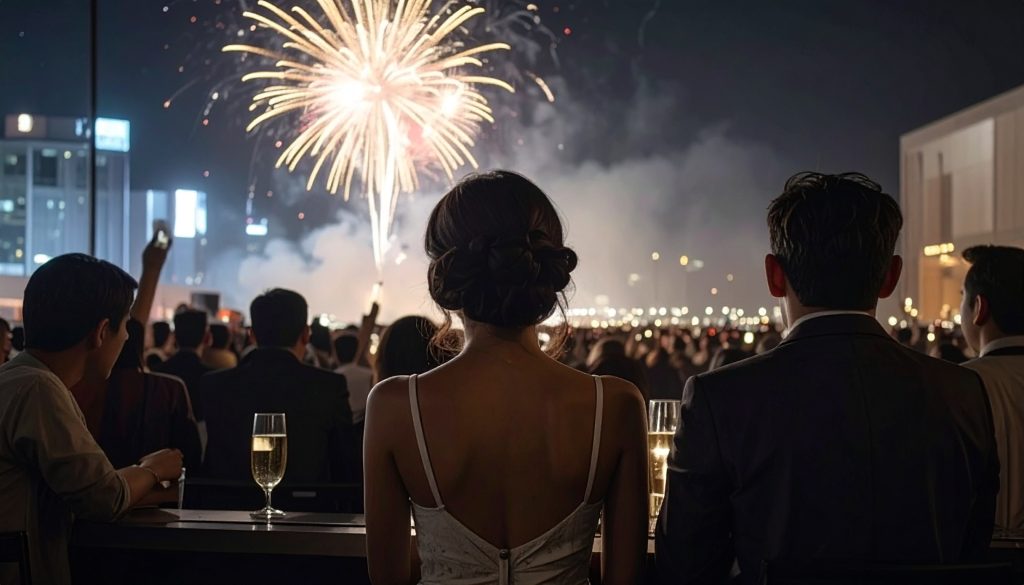

Every New Year’s Eve people around the world perform small rituals that promise luck, love, wealth, and protection for the year ahead. Some of these traditions are rooted in ancient beliefs about spirits and seasonal change, while others evolved from cultural customs passed down through families for generations.
Even today millions of people follow these superstitions without questioning where they came from. Some eat specific foods for prosperity, some avoid chores to prevent bad fortune, and some follow traditions meant to attract romance or keep danger away. Whether taken seriously or done for fun, these rituals have stuck around because they add a sense of meaning and hope to the start of a new year.
Here are ten New Year’s superstitions that continue to shape celebrations around the world.
10. Eating Round Fruits for Prosperity
In many cultures around the world, round fruits symbolize wealth because their shape resembles coins and the cycle of renewal. This belief is especially strong in the Philippines, where families prepare a centerpiece of twelve different round fruits to represent prosperity for each month of the coming year. Grapes, oranges, apples, and melons are the most popular choices, not only because of their symbolism but also because they are widely available during holiday celebrations.
Round fruits also carry cultural associations with continuity, abundance, and the idea that good fortune should come full circle. In some regions, families eat the fruits exactly at midnight, while others keep them displayed throughout New Year’s Day as a magnet for financial blessings. Even those who do not strictly believe in superstition often follow the tradition because it adds color, excitement, and meaning to the celebration.
For many households, selecting and arranging the fruits becomes a small ritual that builds anticipation for the year ahead. Whether taken seriously or simply enjoyed as a festive custom, the practice endures because it feels like an easy, optimistic way to invite abundance and positive energy into the new year.
9. Walking Through the Door with Money in Your Pocket
This superstition is based on a simple idea. If you enter the new year with money on you, you are symbolically inviting wealth into your life. The custom varies from place to place. Some people keep a few bills in their wallet, while others place coins in their shoes or pockets. A few take the ritual even further by holding a full wallet at midnight and stepping into their home as soon as the new year begins.
The belief comes from older traditions that viewed the first moments of the year as a mirror for what is to come. Starting the year “financially prepared” supposedly encourages prosperity to follow. In some cultures, parents hand a coin or bill to each family member before midnight to make sure everyone crosses into the new year with at least a symbolic amount of money.
Even those who do not put full faith in the superstition often keep the ritual alive because it is easy, harmless, and rooted in the universal wish for financial stability. It also feels empowering in a small way. Carrying money at midnight becomes a gesture of control, a way of signaling readiness for opportunity. Whether or not it actually influences fortune, the tradition adds a moment of intention to the celebration.
8. Avoiding Sweeping or Cleaning on New Year’s Day
The belief that cleaning on the first day of the year sweeps away good luck is common in parts of Asia, Latin America, and the Caribbean. In these cultures, New Year’s Day is seen as a time when blessings enter the home, and any cleaning motion represents the removal of those blessings. Sweeping, taking out the trash, or doing laundry is thought to drive away fortune before it has a chance to settle.
Historically, this superstition was also connected to the agricultural calendar. Winter celebrations marked the start of a new cycle, and families believed that the spirits of prosperity visited at the turn of the year. Cleaning was prohibited not because of laziness but because it symbolized respect for the energy entering the house.
Today many people still follow the tradition, mixing spiritual belief with practical reasons. After all the work of holiday preparation, the idea of taking a day off feels perfectly acceptable. Some families do a deep cleaning on December thirty first to prepare the space for positive energy, then avoid chores on January first to let that energy “rest.”
Whether taken seriously or treated as a playful excuse, the superstition persists because it reinforces the idea of welcoming good luck instead of pushing it away.
7. Wearing Red for Love and Passion
Wearing red on New Year’s Eve remains one of the most widespread love attracting customs in Europe and Latin America. The tradition is especially popular in Italy, Brazil, and Spain, where red underwear is sold everywhere during the holiday season. The idea comes from ancient beliefs that red represents life force, passion, desire, and strong emotional energy. Wearing red at midnight is believed to spark romantic opportunities or strengthen existing relationships in the coming year.
For centuries, red clothing was seen as a symbol of vitality and good health. Over time, the meaning shifted more toward love and attraction. Modern interpretations keep the ritual fun and lighthearted. People choose red jewelry, shoes, or even subtle accessories if they prefer something less bold.
The superstition has also gained traction through pop culture and global travel. Tourists who experience the tradition abroad often adopt it as a personal ritual at home. Even those who do not expect magical results enjoy participating because it adds a playful sense of intention to the celebration.
At its core, the custom survives because it is an upbeat way to express hope for emotional fulfillment in the new year. It blends symbolism, tradition, and personal style into one simple choice.
6. Making Loud Noise at Midnight to Scare away Evil Spirits
Long before fireworks and countdown celebrations became a global tradition, people made loud noises at the start of the new year to frighten away harmful spirits. Ancient communities used bells, drums, and even pots and pans to create as much sound as possible. The belief was that negative forces were most active during seasonal transitions and needed to be chased off before they could influence the coming months.
Today the superstition lives on in modern forms. Fireworks crack across the sky, noisemakers fill parties, and crowds cheer loudly as soon as the clock strikes twelve. Even people who are not superstitious participate simply because it has become part of the culture of celebration.
The idea of noise as protection appears in many cultures. In some regions church bells ring at midnight for spiritual shielding. In other places people open their doors and make noise outside to cleanse the environment. The symbolism is the same everywhere. Loud sound represents strength, joy, and the power to push away darkness.
While most people now see it as entertainment, the tradition still connects modern celebrations to ancient rituals. It adds excitement to the moment and reinforces the idea of starting the year with positive energy.
5. Eating Lentils for Wealth
The custom of eating lentils on New Year’s Eve originates in Italy, where lentils were once considered a symbol of modest fortune. Their small, round, coin like shape resembled money and represented the hope for financial growth. As the tradition spread, it became common in Brazil, parts of Spain, and many South American countries.
Families typically prepare lentils as a midnight meal or serve them during the first meal of the year. Some people eat a spoonful for each month of the year, while others combine the dish with sausages to represent abundance. The superstition blends cultural symbolism with practical history. Lentils were affordable and filling, making them a smart food choice during winter. Over time they gained a reputation as a “lucky food” that brings prosperity.
Today many families continue the tradition even if they do not believe in superstition at all. Lentils are healthy, easy to cook, and part of the warm, comforting foods associated with holiday gatherings. In some regions the dish is prepared in large community meals, further strengthening the ritual’s social meaning.
For many people the act of eating lentils at the start of the year is a way to set intentions, foster optimism, and honor generational customs.
4. Opening Windows and Doors to Let the Old Year Out
Opening doors and windows at midnight is a tradition rooted in the idea of spiritual cleansing. Many cultures believe that fresh air carries new energy and that stale air represents negativity, misfortune, or lingering problems from the past year. By opening the house at midnight, people symbolically release the old and invite renewal.
This ritual is practiced in parts of Europe, the Caribbean, Latin America, and even some Asian communities. Some families open every door and window, while others choose one main entrance to focus the symbolic transition. The belief also connects to older traditions in which air and wind were associated with spiritual movement. Letting a breeze flow through the home represented a natural reset.
Even in cold climates the superstition persists, though often in shorter bursts. A quick open and close is enough for the symbolic gesture. Many people follow the ritual not strictly out of superstition but because it feels refreshing and meaningful. It creates a clear moment that separates the old year from the new one.
The practice endures because it offers a physical action that matches emotional intentions. Opening a door becomes a small declaration that one is ready for change and open to better possibilities.
3. Eating Long Noodles for Long Life
The tradition of eating long noodles for longevity comes from East Asian cultures, especially China and Japan. The noodles represent the thread of life, and their length symbolizes the hope for many years ahead. The key rule is that the noodles should not be cut or broken while eating them, because breaking them is believed to shorten life or bring bad luck.
During New Year celebrations families gather for meals that include special longevity noodles. These noodles are typically longer than usual and cooked in simple broths or stir fries to preserve their shape. The tradition also appears during birthdays and other celebrations that mark life milestones.
The superstition blends culinary symbolism with cultural values. Many Asian traditions emphasize respect for ancestors, family continuity, and the importance of health. Eating long noodles reinforces these ideals in a way that is easy, enjoyable, and deeply rooted in heritage.
Today the practice is followed both by those who believe in its meaning and those who simply appreciate the ritual. It is a comforting dish that brings families together and creates a sense of cultural connection. For many people it is less about superstition and more about honoring tradition while welcoming the new year with hope.
2. Choosing the Right First Visitor of the Year
The superstition about the first person who enters your home comes from a tradition known as first footing, especially common in Scotland and parts of Northern Europe. The idea is that the first visitor sets the tone for the entire year. Historically, certain traits were preferred. A tall, dark haired man was believed to bring good luck, while unexpected or unwelcome visitors were thought to bring misfortune.
In some cultures the first footer must bring symbolic gifts, such as bread for abundance, salt for protection, coal for warmth, or coins for prosperity. Over time the superstition spread to other regions, evolving into a more general belief that the first visitor influences the year’s energy.
Modern interpretations are more relaxed. People often invite someone they care about to be their first visitor, or they ensure a positive environment by entering their own home right after midnight. The tradition continues because it highlights the importance of relationships and the idea that the new year should begin with kindness, warmth, and good company.
Even without strict belief in the superstition, many families maintain the ritual because it adds meaning to gatherings and reinforces the value of starting the year surrounded by positivity.
1. Making a Wish at Midnight and Sealing it with a Toast
Making a wish at the exact moment the clock strikes twelve is perhaps the most universal New Year’s superstition. Many people believe that wishes made at midnight carry extra power because they coincide with the transition between two cycles. The moment feels symbolic, hopeful, and emotionally charged, making it the perfect time to set intentions.
Some cultures combine the wish with a toast, linking celebration and intention in one gesture. Others write their wish on paper, burn it, or hide it for the year. No matter the variation, the core idea is the same. The first moment of the new year should reflect the dreams and desires one hopes to realize.
Psychologically the ritual works because it forces people to pause, reflect, and focus. It transforms the countdown into a moment of clarity. Even when people do not treat it as magic, the act of making a wish can provide direction, comfort, or motivation.
This superstition persists because it gives people permission to hope. It captures the emotional essence of New Year’s Eve: a fresh start filled with possibility. Whether the wish is simple or profound, the ritual makes the start of the year feel meaningful.