
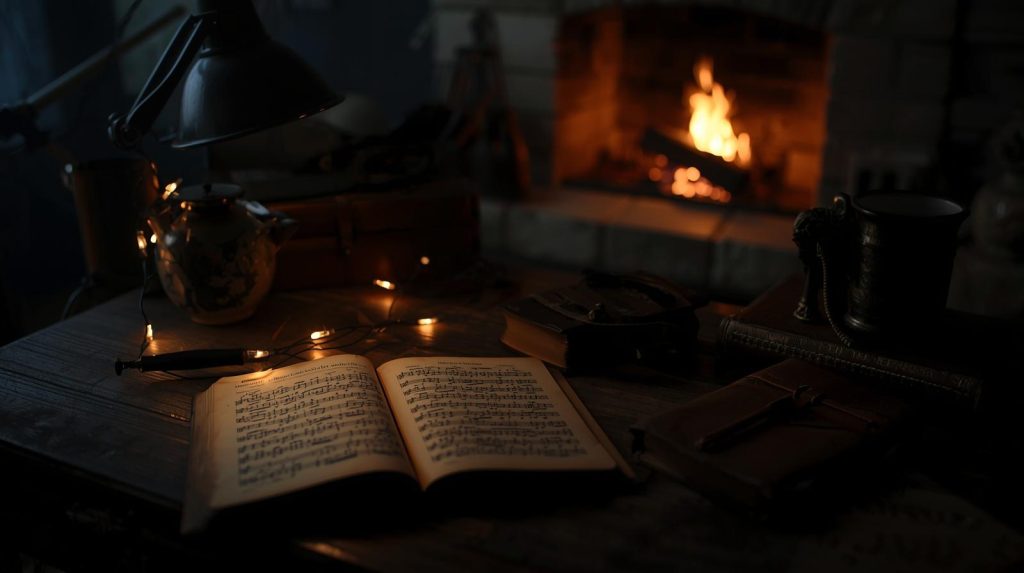

We hear them in malls, churches, and on the radio starting in November. Christmas carols surround us every year, filling the air with familiar melodies and lyrics we often know by heart. Yet, for most of us, the stories behind these songs remain a mystery. We hum along without realizing that each tune carries a history full of surprising twists, curious origins, and sometimes even controversy.
While we celebrate the joy and nostalgia they bring, very few pause to ask how these carols came to be. Who knew that “Silent Night” was born out of a broken organ, or that “Do You Hear What I Hear?” carries a hidden Cold War message? What about “Let It Snow!” being written in the middle of a summer heatwave? These unexpected tales transform our favorite songs from simple holiday background music into rich, fascinating stories.
From Cold War fears to summer heatwaves, here are 10 facts that will change how you hear these songs forever.
Table of Contents
- 10. Why You Should Sing “Good King Wenceslas” on December 26th
- 9. The Record Breaking Success of “White Christmas”
- 8. The Controversy Behind “I Saw Mommy Kissing Santa Claus”
- 7. The Ironic Weather That Inspired “Let It Snow!”
- 6. How “O Holy Night” Made Radio History
- 5. Rudolph the Red Nosed Reindeer: A Department Store Marketing Invention
- 4. The Dark Original Draft of “Have Yourself a Merry Little Christmas”
- 3. The Accident That Gave Us “Silent Night”
- 2. The Nuclear Threat Hidden in “Do You Hear What I Hear?”
- 1. The Origins of “Jingle Bells”
10. Why You Should Sing “Good King Wenceslas” on December 26th
Most people think this hearty tune is simply a cheerful story about a generous king braving the snow during the Christmas season.
The surprising truth is that “Good King Wenceslas” is actually a song for the day after Christmas. The events in the lyrics take place on the Feast of Saint Stephen which is celebrated on December twenty six. The carol became linked with Christmas only because Victorians adored its message of charity and winter warmth. This connection helped the song travel far beyond its original liturgical moment and today it remains one of the beloved stories behind the most famous christmas carols.
📚 Did You Know
This carol was written by an English clergyman in the eighteen fifties and was never meant to be a Christmas day song.
9. The Record-Breaking Success of “White Christmas”
Many people assume this dreamy tune became popular simply because it evokes a cozy winter scene.
In fact, its rise was far more remarkable. When Bing Crosby first performed it during a wartime broadcast, families separated by conflict immediately connected with its nostalgic message. Consequently, the song spread quickly across radio and record sales. Over time, it became a cultural landmark and one of the most cited entries in christmas carol facts.
📀 Did You Know
Bing Crosby’s version has sold more than fifty million copies making it one of the most successful singles in music history.
8. The Controversy Behind “I Saw Mommy Kissing Santa Claus”
Many people thought this playful tune is nothing more than a child catching a magical Christmas moment that blends innocence with festive mischief.
When the song was first released it caused quite an uproar. Several church groups argued that it encouraged inappropriate behavior and asked radio stations to remove it from their playlists. The irony is that the song is completely wholesome since the mysterious Santa in question is simply the child’s father. Once that clarification became widely known the protests faded and the carol quickly claimed its place among the most charming seasonal favorites.
🎄 Did You Know
The controversy ended only after the young singer publicly explained that Santa was really his dad which instantly restored the song’s popularity.
7. The Ironic Weather That Inspired “Let It Snow!”
At first glance many imagine this cozy classic came to life on a calm winter night with snow gently falling outside.
Surprisingly, the writers composed it during a scorching summer heat wave in California. They longed for a snowy scene filled with warmth and candlelight, using their imagination to escape the sweltering sun. Over time, this cheerful song became a winter favorite and stands as one of the most curious examples in the weird history behind popular christmas songs.
❄️ Did You Know
The writers composed the song during triple digit temperatures while seeking inspiration in the idea of snow that never existed outside their window.
6. How “O Holy Night” Made Radio History
Many assume this carol gained fame solely because of its soaring melody and heartfelt lyrics.
However, the real story adds an exciting twist. In 1906, Canadian professor Reginald Fessenden transmitted a short broadcast from a radio station. He performed “O Holy Night” live for sailors who expected only Morse code. As a result, listeners heard music and speech for the very first time. This moment helped cement the carol as a historic piece of broadcasting and a cherished part of christmas carol facts.
📡 Did You Know
The carol became part of the earliest radio program ever aired making it one of the first songs heard through a speaker rather than in person.
5. Rudolph the Red-Nosed Reindeer: A Department Store Marketing Invention
At first glance people often assume Rudolph emerged from old folk tales or long cherished christmas carols handed down through generations.
In truth a department store created Rudolph as a promotional character. Montgomery Ward asked one of its copywriters Robert May to craft a children’s booklet that would attract families during the holiday shopping rush. May wrote the story with tenderness and hope drawing from his own life and his daughter quickly adored the little reindeer with the glowing nose. The tale spread from store aisles to radio to music charts which turned Rudolph into a beloved figure far beyond his original commercial purpose.
🦌 Did You Know
Montgomery Ward distributed over two million Rudolph booklets in a single holiday season which helped launch his journey into global fame.
4. The Dark Original Draft of “Have Yourself a Merry Little Christmas”
For many listeners this gentle song simply feels like a warm promise of comfort during the holiday season.
However once you explore its beginnings you uncover a far gloomier story. The songwriter Hugh Martin first wrote lyrics that leaned toward despair with lines that suggested separation sorrow and uncertain futures. Judy Garland read the draft and urged him to soften the tone because the scene in the film required hope not heartbreak. As a result Martin rewrote the song and gradually shaped the uplifting version we know today which stands among the most intriguing unknown facts about famous christmas carols.
🕯️ Did You Know
Hugh Martin’s early draft included lines that felt so bleak the film’s stars refused to sing them until he revised the entire mood.
3. The Accident That Gave Us “Silent Night”
Many people think this peaceful carol began as a carefully planned church composition.
Yet the truth offers a far simpler tale. A broken church organ forced the local priest and a schoolteacher to improvise on Christmas Eve. They wrote a brief poem set to a gentle guitar tune because they needed music for that night’s service. Their quick solution created one of the most loved hymns in the surprising origins of classic christmas carols.
🎶 Did You Know
The first performance used only a guitar because the organ stopped working hours before the service.
2. The Nuclear Threat Hidden in “Do You Hear What I Hear?”
At first glance, this carol seems like a simple, tender lullaby celebrating the nativity.
In reality, the song carries a more urgent message. It was written in 1962 during the Cuban Missile Crisis. The lyrics use the nativity as a metaphor for warning and hope amid nuclear tension. The writers wanted listeners to consider peace and caution, giving the song a serious undertone in the dark history behind popular christmas songs.
☢️ Did You Know
The song’s creators intended it as a call for peace during one of the tensest moments of the Cold War.
1. The Origins of “Jingle Bells”
Many assume “Jingle Bells” is a timeless Christmas classic written specifically for the holiday season.
In reality, historian Kyna Hamill of Boston University found no evidence that James Lord Pierpont wrote it for Thanksgiving or a Sunday School program. Instead, research suggests he likely composed it in Boston and intended it for minstrel shows. The song originally appeared on playbills as One Horse Open Sleigh in September 1857. Over time, performances associated it with Christmas, which eventually transformed it into a beloved holiday staple.
🎁 Did You Know
“Jingle Bells” first appeared in minstrel show playbills and only later became linked to Christmas, correcting the long-held Thanksgiving story.
Key Takeaways
- Jingle Bells was likely written for minstrel shows in Boston, not Thanksgiving, showing how its secular origins were later adapted into a Christmas tradition.
- Silent Night came to life by accident when a broken organ forced a quick improvisation during a Christmas Eve service.
- Do You Hear What I Hear? carries a hidden message about nuclear threats, reflecting the tensions of the Cold War.
- Let It Snow! was composed during a scorching summer heat wave, proving imagination often defies reality.
- Good King Wenceslas celebrates the Feast of Saint Stephen on December twenty six, not Christmas Day itself.
- White Christmas became a record-breaking hit because it resonated with wartime families longing for home.
- O Holy Night played a pivotal role in early radio broadcasts, making it one of the first songs heard over the airwaves.
- Rudolph the Red-Nosed Reindeer started as a department store marketing campaign and later became a beloved holiday icon.
- I Saw Mommy Kissing Santa Claus stirred controversy before audiences realized the “Santa” was simply a father in disguise.
- Have Yourself a Merry Little Christmas began as a dark and somber draft, but revisions transformed it into the uplifting classic we know today.
Conclusion
Exploring these surprising stories behind the most famous christmas carols shows us that holiday songs often carry richer histories than we realize. From accidental compositions to secret messages and unexpected marketing campaigns, each carol adds a layer of depth to our holiday traditions. By understanding these origins, we can appreciate the music in new ways and share it with even more meaning during the festive season.
Which of these surprised you the most? Let us know in the comments and continue your festive exploration by checking out our Top 10 Most Popular Christmas Songs of All Time.

