
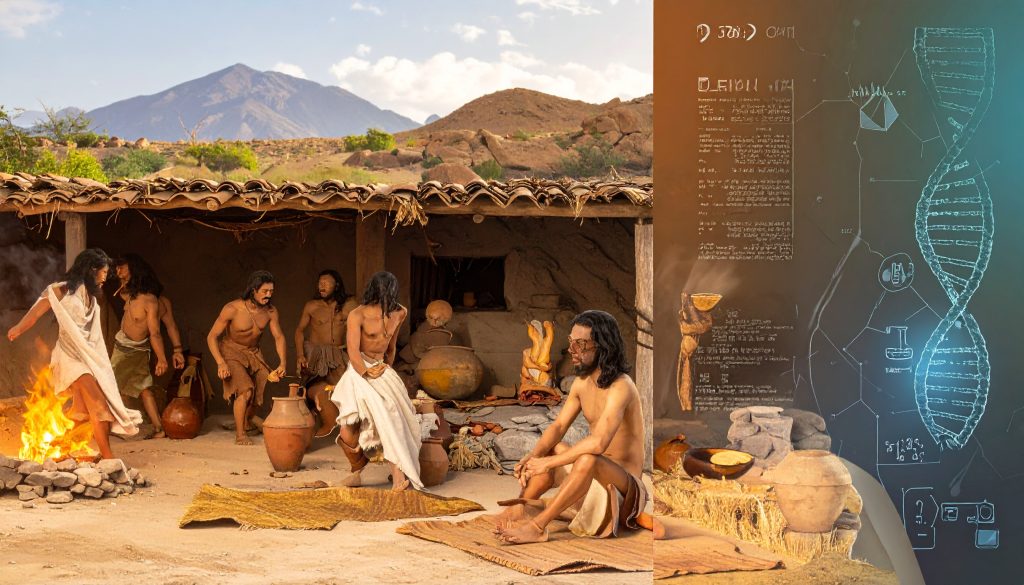

Long before modern wellness trends existed, ancient cultures developed daily habits that helped people stay healthy without realizing the science behind them. From how they slept and ate to how they moved throughout the day, many of these routines are now being validated by modern research. Some may look surprisingly familiar.
For most of human history, people lived without fitness trackers, nutrition labels, or medical research papers. Health knowledge passed from one generation to the next through experience, observation, and tradition. Some of those traditions faded away as modern life introduced convenience, technology, and indoor lifestyles.
Yet modern science is starting to confirm that many ancient habits were surprisingly effective.
From the way people sat and moved throughout the day to how they slept, ate, and preserved food, ancient cultures often developed routines that aligned closely with human biology. These practices were not based on laboratory research. They were shaped by survival, daily labor, and centuries of practical trial and error.
Today, researchers studying metabolism, mobility, gut health, and circadian rhythms are rediscovering the value of many of these forgotten routines. What once seemed like simple cultural customs are now supported by scientific evidence showing real benefits for digestion, sleep quality, mental health, and longevity.
In a world filled with modern health trends and complicated wellness advice, some of the most powerful improvements may come from surprisingly simple habits practiced for thousands of years.
Here are ten ancient habits that modern science has confirmed actually work.
10. Walking After Meals
The Ancient Habit
The idea of walking after meals dates back thousands of years and appears in several ancient cultures. In Ancient Rome, wealthy citizens often ended their evening banquets with a slow stroll through gardens or courtyards, discussing politics or philosophy while aiding digestion. Traditional Chinese medicine also recommended gentle walking after eating, believing it helped regulate the flow of qi, or life energy, through the body. In India, Ayurveda developed a similar practice known as “Shatapavali,” which literally means “walking one hundred steps after a meal.” Families were taught that light movement helped the body process food more efficiently and prevented digestive discomfort.
What Science Says
Modern research strongly supports this ancient instinct. Studies show that a short walk after eating can significantly reduce blood sugar spikes, especially after carbohydrate heavy meals. Even ten to fifteen minutes of slow walking can help stabilize glucose levels and improve insulin sensitivity. Researchers have also found that post meal walking supports gastric motility, meaning the stomach empties food more efficiently into the digestive tract.
Why It Works
When you walk, even slowly, your muscles begin absorbing glucose from the bloodstream for energy. This reduces the amount of sugar circulating in the blood and lowers the stress placed on insulin. The gentle movement also stimulates digestion without diverting too much blood away from the stomach. What ancient cultures described as “helping digestion” turns out to be a real metabolic advantage.
9. Fasting Periodically
The Ancient Habit
Fasting has been practiced for thousands of years, often tied to spiritual discipline rather than physical health. Ancient Greek philosophers such as Hippocrates and Plato promoted fasting as a way to sharpen the mind and restore balance to the body. Religious traditions later incorporated it as well. Early Christian monks fasted regularly, Islamic tradition includes the month long fast of Ramadan, and many Hindu and Buddhist traditions include periodic abstinence from food. These practices were originally framed as purification or self-control, but they also unintentionally mirrored the natural feast and famine cycles humans experienced before agriculture.
What Science Says
In recent decades, intermittent fasting has become one of the most researched dietary patterns. Studies show that fasting periods can improve insulin sensitivity, promote fat metabolism, and activate autophagy, a cellular recycling process that helps remove damaged components inside cells. Some research also suggests benefits for cardiovascular health and metabolic resilience.
Why It Works
Human metabolism evolved in environments where food was not constantly available. During fasting periods, the body shifts from burning glucose to burning stored fat for energy. At the same time, cellular repair mechanisms become more active. Ancient traditions framed fasting as discipline for the soul, but biologically it also gave the body a chance to reset and repair.
8. Sitting on the Floor
The Ancient Habit
For most of human history, chairs were rare and expensive. In many ancient societies, including Japan, India, the Middle East, and parts of Africa, daily life happened close to the ground. People ate meals seated on mats, worked on low tables, and relaxed while cross legged or kneeling. Traditional Japanese homes, for example, used tatami floors where people sat in positions like seiza during meals and ceremonies. In India, sitting cross legged while eating was considered both respectful and healthy, encouraging slower eating and better posture.
What Science Says
Modern research suggests that regularly sitting on the floor and standing back up engages a wide range of muscles and joints. A well known study even found that the ability to sit down and rise from the floor without using hands was strongly associated with longer life expectancy. Floor sitting naturally strengthens the hips, knees, ankles, and core muscles that support balance and mobility.
Why It Works
Unlike chairs, floor sitting requires constant small adjustments in posture. People naturally shift positions, stretch their legs, and engage stabilizing muscles throughout the day. Over time this maintains joint mobility and muscle function. The transition from floor to standing also acts like a mini exercise, reinforcing strength and coordination in ways modern furniture quietly removed from daily life.
7. Using Fermented Foods
The Ancient Habit
Long before refrigeration existed, fermentation was one of humanity’s most important food preservation techniques. As early as 7000 BCE in ancient China, people were fermenting beverages and foods using naturally occurring microbes. In Europe, fermented cabbage became sauerkraut, while in Korea it evolved into kimchi. Nomadic tribes in Central Asia carried fermented milk products such as yogurt and kefir because they lasted longer and were easier to digest than fresh milk. Fermentation was rarely seen as a scientific process. Instead, it was practical knowledge passed down through generations. If vegetables were salted and stored correctly, they would transform into something tangy, longer lasting, and often more flavorful.
What Science Says
Modern microbiology has revealed that fermentation introduces beneficial bacteria known as probiotics. These microbes help maintain a healthy gut microbiome, which plays a role in digestion, immune response, and even mental health. Studies show that diets rich in fermented foods can increase microbial diversity in the gut and reduce markers of inflammation.
Why It Works
Fermentation breaks down complex compounds in food, making nutrients easier for the body to absorb. It also creates beneficial bacteria that help balance the digestive system. Ancient cooks may not have understood microbes, but their techniques effectively turned ordinary foods into living nutritional powerhouses.
6. Sleeping Shortly After Sunset
The Ancient Habit
Before artificial lighting transformed daily life, human sleep patterns followed the natural cycle of daylight and darkness. In many ancient societies, people went to bed soon after sunset because there was little reason to stay awake once darkness fell. Historical records from medieval Europe even describe a two phase sleep pattern. People slept for several hours, woke briefly in the middle of the night for quiet activities such as reading or prayer, and then returned to sleep until dawn. This rhythm was not unusual. It was simply how life worked before electric lights extended the day.
What Science Says
Modern sleep science confirms that light exposure plays a crucial role in regulating circadian rhythms, the internal biological clock that controls sleep and wake cycles. Artificial light, especially blue light from screens, suppresses the production of melatonin, the hormone that signals the body it is time to sleep. Disrupting this process can lead to poorer sleep quality and long term health effects.
Why It Works
The human brain evolved to respond strongly to natural light cues. Darkness signals the body to prepare for rest and repair. When people followed sunset based sleep schedules, their circadian rhythms remained aligned with environmental signals. Ancient lifestyles unintentionally protected one of the body’s most important biological systems.
5. Cold Water Exposure
The Ancient Habit
Cold water immersion has deep historical roots across multiple civilizations. In Ancient Rome, bathhouses often included cold plunge pools called frigidariums, which bathers entered after warm baths to stimulate the body. In Nordic cultures, people traditionally jumped into icy lakes or rolled in snow after sauna sessions. Similar practices appear in Japanese misogi rituals, where cold water purification was used in spiritual ceremonies. While each culture had different explanations, the common belief was that cold exposure strengthened the body and improved vitality.
What Science Says
Modern research suggests that controlled cold exposure can activate the sympathetic nervous system and increase circulation. It may also stimulate brown fat, a type of fat tissue that burns energy to generate heat. Some studies indicate that cold exposure can reduce inflammation and improve recovery after physical activity.
Why It Works
Cold exposure acts as a short, controlled stressor. When the body encounters cold, it responds by increasing circulation and activating adaptive mechanisms that help maintain temperature and balance. These responses can strengthen resilience over time. What ancient cultures saw as invigorating turns out to trigger measurable physiological benefits.
4. Spending Time Outdoors Daily
The Ancient Habit
For most of human history, daily life happened outdoors. Farmers, hunters, traders, and craftsmen spent the majority of their waking hours under the open sky. Ancient civilizations built markets, forums, and gathering places in open air environments where people worked and socialized together. Even in cities like Athens or Rome, much of public life unfolded outside rather than indoors.
What Science Says
Modern research shows that regular exposure to sunlight helps the body produce vitamin D, which supports bone health, immune function, and mood regulation. Studies also show that spending time in green spaces can reduce cortisol levels, lower stress, and improve mental well being. In Japan, the practice of “forest bathing” has been scientifically studied for its calming effects on the nervous system.
Why It Works
Humans evolved in natural environments for hundreds of thousands of years. Sunlight regulates circadian rhythms, natural scenery reduces stress responses, and fresh air improves overall well being. Modern indoor lifestyles limit these exposures. Ancient routines, by necessity, kept people connected to the environments their bodies were designed for.
3. Squatting Instead of Sitting
The Ancient Habit
For much of human history, squatting was a natural resting posture. In many traditional societies across Asia, Africa, and parts of Eastern Europe, people commonly rested in a deep squat while cooking, working, or socializing. Ancient farmers squatted while tending crops, craftsmen used the posture while working close to the ground, and markets across the world were filled with vendors comfortably balanced in deep squats for hours at a time. Even today, in countries such as India, China, and Indonesia, squatting remains a common everyday posture. It was also the natural position used for basic sanitation long before modern toilets were invented.
What Science Says
Biomechanics research shows that deep squatting maintains flexibility in the hips, knees, and ankles. It also strengthens stabilizing muscles throughout the lower body and core. Medical studies examining bowel function have also found that the squatting position aligns the rectum more naturally, which can make elimination easier compared to sitting upright.
Why It Works
The human skeleton evolved with squatting as a natural movement pattern. It distributes weight through the legs while keeping joints active and flexible. Modern lifestyles filled with chairs and couches have gradually removed this posture from daily life, contributing to reduced mobility in the hips and ankles. Reintroducing squatting movements helps restore joint range of motion and natural movement patterns that our bodies were designed to perform.
2. Sharing Meals Socially
The Ancient Habit
Across nearly every civilization in history, meals were communal events rather than solitary routines. In Ancient Greece, the symposion was a social gathering where food, wine, and philosophical conversation were shared. Roman families gathered around large tables for long evening meals that often lasted hours. In many traditional cultures, food was prepared collectively and eaten together, reinforcing family bonds and community identity. Eating alone was relatively rare in most ancient societies because food was closely tied to social interaction and shared experience.
What Science Says
Modern psychology and nutrition studies show that social eating influences both mental and physical health. Eating with others encourages slower eating and more mindful consumption, which can improve digestion and reduce overeating. Social interaction during meals also lowers stress hormones and activates the parasympathetic nervous system, often called the “rest and digest” state. Research has also linked strong social connections to longer life expectancy and improved emotional well being.
Why It Works
Humans are deeply social creatures, and the act of eating together reinforces social bonds while creating a relaxed environment that supports digestion. Conversation naturally slows the pace of eating, giving the brain time to register fullness. Ancient communal meals were not only about nourishment but also about connection, which modern science now recognizes as an important factor in overall health.
1. Moving Throughout the Day Instead of Exercising Once
The Ancient Habit
For most of human history, movement was woven into everyday survival. Early humans walked long distances while hunting or gathering food, carried water and firewood, built shelters, and performed physically demanding tasks throughout the day. There was no concept of a scheduled workout because physical activity was constant and functional. Farmers plowed fields, merchants traveled between towns, and craftsmen worked with their hands for hours at a time. Movement was simply part of life.
What Science Says
Modern research suggests that frequent low intensity movement throughout the day can be more beneficial for metabolic health than a single intense workout followed by long periods of sitting. Studies show that breaking up sedentary time with short bursts of activity improves blood circulation, supports glucose regulation, and reduces the negative effects of prolonged sitting. Even standing, stretching, or walking briefly every hour can have measurable health benefits.
Why It Works
The human body evolved for continuous movement rather than extended inactivity. Muscles, joints, and metabolic systems function best when they are regularly engaged. A single gym session cannot fully offset eight or more hours of sitting. Ancient lifestyles naturally incorporated movement into daily routines, keeping the body active in ways that modern schedules often fail to replicate.