
Modern kitchens have never been more efficient. We have induction cooktops that boil water in seconds, microwaves that reheat dinner in a minute, and ovens that maintain temperature with near-perfect precision. Yet despite all this control, many home cooks still feel something is missing: depth, character, and that slow-developed “soul” of food that lingers long after the meal is over.
The irony is that this problem isn’t new, it was already solved thousands of years ago. Ancient civilizations didn’t rely on technology to create incredible flavor; they relied on technique. From earth ovens buried in hot stone to fermentation that transformed raw ingredients into complex, living foods, these methods built layers of taste, texture, and aroma that modern shortcuts often fail to replicate. They understood heat, time, and transformation in ways we are only beginning to appreciate again.
The good news is you don’t need to abandon modern life or build a smoke-filled stone oven in your backyard to benefit from these traditions. Most ancient cooking techniques can be revived using standard kitchen tools, everyday ingredients, and a bit of curiosity. In fact, many of them fit seamlessly into weeknight cooking once you understand the principles behind them. This guide breaks down 10 ancient cooking techniques that modern home chefs should immediately revive, starting with simple and practical ways to bring forgotten culinary wisdom back into your kitchen.
10. Sun-Curing and Dehydration
Long before refrigeration transformed food storage, civilizations around the world relied on the power of the sun to preserve their harvests. Ancient Egyptians dried fish and fruits along the Nile, while cultures across the Mediterranean, the Middle East, and the Americas used sunlight to create long-lasting foods that could survive lean seasons, long journeys, and harsh climates.
The science behind sun-curing is remarkably simple and effective. By removing moisture from food, dehydration dramatically slows the growth of bacteria, molds, and yeasts that cause spoilage. At the same time, water loss concentrates natural sugars, acids, and savory compounds, creating deeper, more intense flavors than the fresh ingredient originally possessed.
Modern Hack: You don’t need a desert climate to revive this technique. Slice tomatoes, apples, citrus fruits, or herbs thinly and place them in your oven at its lowest temperature with the door cracked slightly open. Alternatively, use a food dehydrator or even a sunny windowsill for hardy herbs. Homemade dried tomatoes tossed into pasta or sun-dried citrus peels added to cocktails deliver the same flavor-concentrating magic that ancient cooks discovered thousands of years ago.
9. Earth Ovens (Pit Cooking)
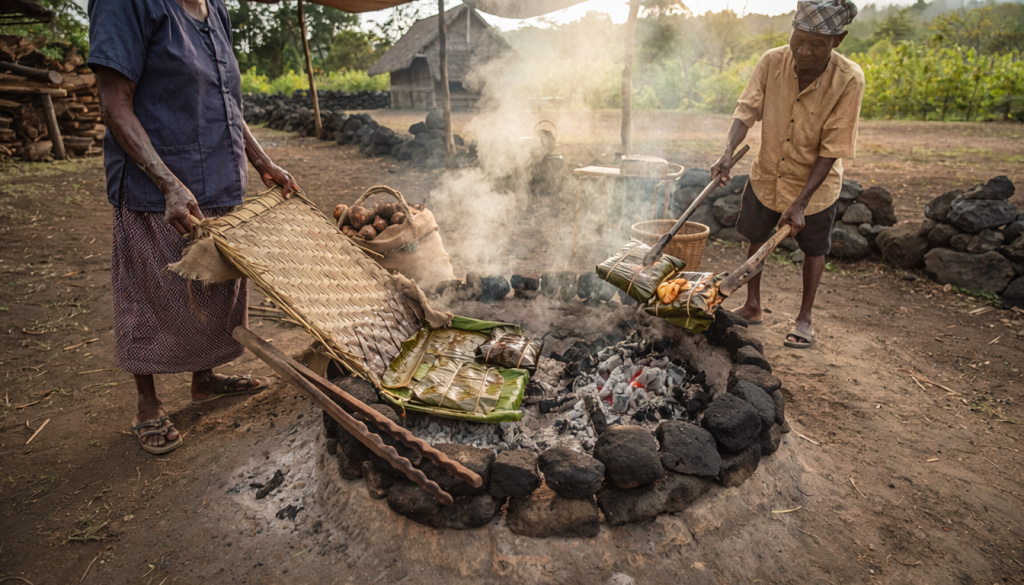
Few cooking methods are as ancient, or as communal… as the earth oven. Indigenous cultures across the globe mastered pit cooking thousands of years ago, from the Polynesian umu and Hawaiian imu to the underground ovens used by Native American tribes and ancient peoples throughout Europe, Asia, and South America. Entire feasts were often prepared beneath the ground, turning cooking into a social event that brought communities together.
The secret lies in thermal mass. Stones heated by a fire absorb tremendous amounts of energy and then release that heat slowly and evenly for hours. Food buried alongside the hot stones is effectively braised, roasted, and steamed at the same time, producing exceptionally tender meat and vegetables while minimizing moisture loss.
How to Do It Today: You don’t need to dig a hole in your backyard to capture the same effect. Use a Dutch oven or heavy lidded roasting pan and cook tougher cuts of meat low and slow in the oven at 275°F (135°C) for several hours. Adding a small amount of liquid and keeping the lid tightly sealed mimics the gentle, enclosed environment of a traditional earth oven, yielding fall-apart results with minimal effort.
8. Hot Stone Grilling (Pierrade)
Cooking directly on heated stone predates metal cookware by thousands of years. Ancient peoples from Europe, Asia, and the Americas used flat stones heated in fires to sear meat, fish, and wild plants when iron pans and griddles were unavailable. Variations of the technique survived into later traditions, including the French pierrade, where diners cook food on a superheated stone at the table.
The science is all about retained heat and direct contact. Dense stone absorbs thermal energy slowly but holds it exceptionally well, creating a stable cooking surface that delivers even browning without the temperature fluctuations common with thin metal pans. The dry heat also encourages the Maillard reaction, producing the rich, savory crusts that make grilled foods so irresistible.
The Home Kitchen Adaptation: Recreate the effect using a pizza stone, baking steel, or cast-iron griddle. Preheat it thoroughly in a hot oven for at least 30 minutes, then use it to cook thin cuts of steak, shrimp, vegetables, or flatbreads. The intense, steady heat closely mimics ancient hot-stone cooking while giving your food a restaurant-quality sear without needing an outdoor grill.
7. Lacto-Fermentation
Long before refrigerators and commercial preservatives existed, people relied on lacto-fermentation to keep food edible for months. Ancient civilizations from China and Korea to Eastern Europe and the Mediterranean transformed vegetables, dairy, and even beverages through controlled fermentation. Foods such as sauerkraut, kimchi, and fermented pickles trace their roots to this time-tested preservation method.
The magic comes from beneficial lactic acid bacteria naturally present on food. When vegetables are submerged in a salty environment, these microbes convert sugars into lactic acid, creating conditions that inhibit harmful bacteria while developing complex tangy flavors. The process also alters texture and can enhance the availability of certain nutrients.
Try It Tonight: Start with the easiest version: fermented pickles. Place sliced cucumbers, carrots, or cabbage in a clean jar with a simple saltwater brine, ensuring the vegetables remain fully submerged. Leave the jar at room temperature for several days, then taste periodically until the flavor suits you. With nothing more than salt, water, and patience, you can create probiotic-rich foods using the same principles that ancient cooks depended on for survival.
6. Unglazed Clay Pot Cooking
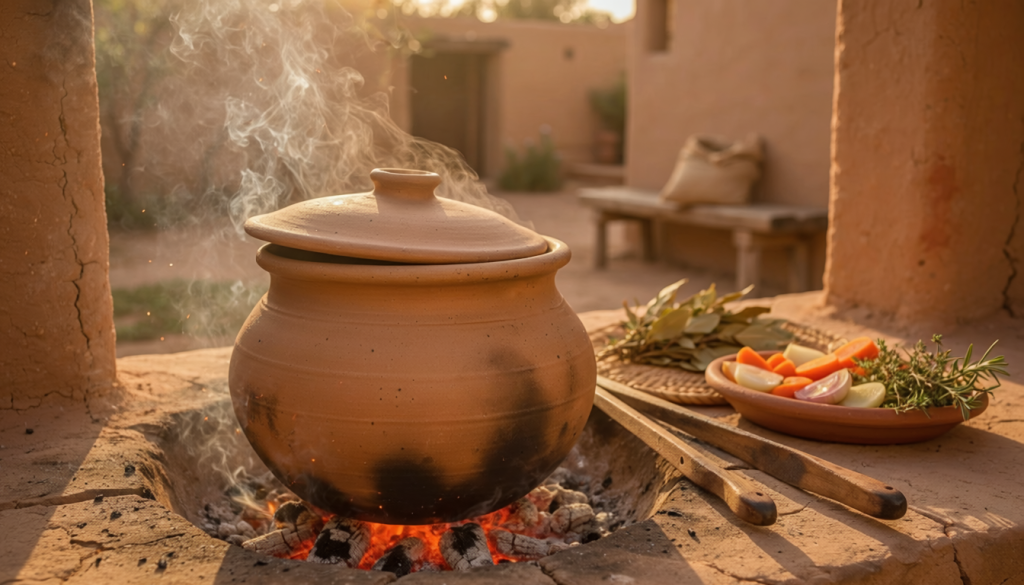
Unglazed clay cookware has been used since antiquity across the Mediterranean, India, China, and the Middle East. From Roman testum pots to traditional Moroccan tagines and Indian handi vessels, cooking in porous clay was once a cornerstone of everyday meal preparation, especially for slow-simmered stews and grains.
The science is rooted in moisture regulation and gentle heat transfer. The porous nature of unglazed clay allows a small amount of steam to escape while simultaneously reabsorbing moisture, creating a self-basting environment. This results in food that cooks evenly at lower perceived temperatures, preserving tenderness and amplifying natural flavors without aggressive boiling or scorching.
The 21st-Century Fix: You don’t need a traditional kiln-fired vessel to recreate this effect. Use a modern clay pot or even a well-soaked terracotta planter-safe cooking dish (food-safe only) placed in a low oven. Soak the pot in water for 15–20 minutes before use to activate its steaming properties, then cook stews, beans, or rice slowly at 300°F (150°C). The result is deeply infused, earthy flavors that feel far more complex than standard stainless-steel cooking.
5. Nixtamalization
Nixtamalization is one of the most transformative ancient cooking techniques, originating with Mesoamerican civilizations such as the Maya and Aztec. For thousands of years, corn was treated with this process before becoming tortillas, tamales, and porridges that formed the backbone of daily diets across Central America.
The science is both nutritional and structural. Soaking and cooking dried maize in an alkaline solution. Traditionally, limewater made from calcium hydroxide breaks down hemicellulose in the corn’s cell walls. This not only makes the kernels easier to grind but also dramatically increases the bioavailability of niacin (vitamin B3) and improves protein quality, effectively turning corn into a far more complete food source.
The Technique Translated: You can replicate nixtamalization at home using food-grade pickling lime (calcium hydroxide) available online or in specialty stores. Simmer dried corn kernels in a weak lime solution, then rinse thoroughly and grind into masa using a blender or grain mill. This homemade masa can be pressed into tortillas or used for tamales, giving you authentic flavor and nutrition that supermarket corn flour simply cannot match.
4. Leaf Wrapping
Leaf wrapping is one of the oldest global cooking traditions, seen in everything from Mesoamerican tamales wrapped in corn husks to Southeast Asian fish steamed in banana leaves and Mediterranean dishes cooked in fig or grape leaves. Across cultures, leaves served as both cookware and flavoring agent, especially before the widespread use of ceramic or metal vessels.
The science relies on gentle steam cooking and aromatic infusion. As food cooks inside a sealed leaf packet, moisture is trapped, creating a mini steam chamber. Meanwhile, the leaf’s natural oils, tannins, and aromatic compounds slowly permeate the food, adding subtle herbal, grassy, or floral notes while protecting delicate ingredients from direct heat.
The Contemporary Approach: Wrap fish fillets, chicken thighs, or vegetables in banana leaves, parchment paper, or even cabbage leaves if that’s what you have on hand. Seal tightly with kitchen twine or foil and bake at 375°F (190°C) until tender. This technique locks in moisture and delivers restaurant-level aroma with almost no cleanup.
3. Mortar and Pestle Pounding
Mortar and pestle cooking is one of humanity’s oldest food preparation techniques, found in ancient Egypt, Rome, India, China, and across Indigenous cultures worldwide. Before mechanical grinders existed, cooks relied on stone or wood tools to crush herbs, grains, spices, and pastes that formed the foundation of sauces, medicines, and daily meals.
The science is about cell rupture and controlled release. Unlike electric blades that shear ingredients quickly, pounding with a pestle gently breaks cell walls and fibers, releasing essential oils and volatile compounds more gradually. This preserves aroma integrity and creates thicker, more cohesive pastes with superior texture and flavor balance.
The Modern Application: Use a mortar and pestle (or even a sturdy bowl and the back of a spoon in a pinch) to crush garlic, herbs, peppercorns, and toasted spices before cooking. For sauces like pesto or curry pastes, grind ingredients in stages. Starting with dry spices, then aromatics, then oils—to build deeper, more layered flavor than any food processor can easily replicate.
2. Salt Crust Baking
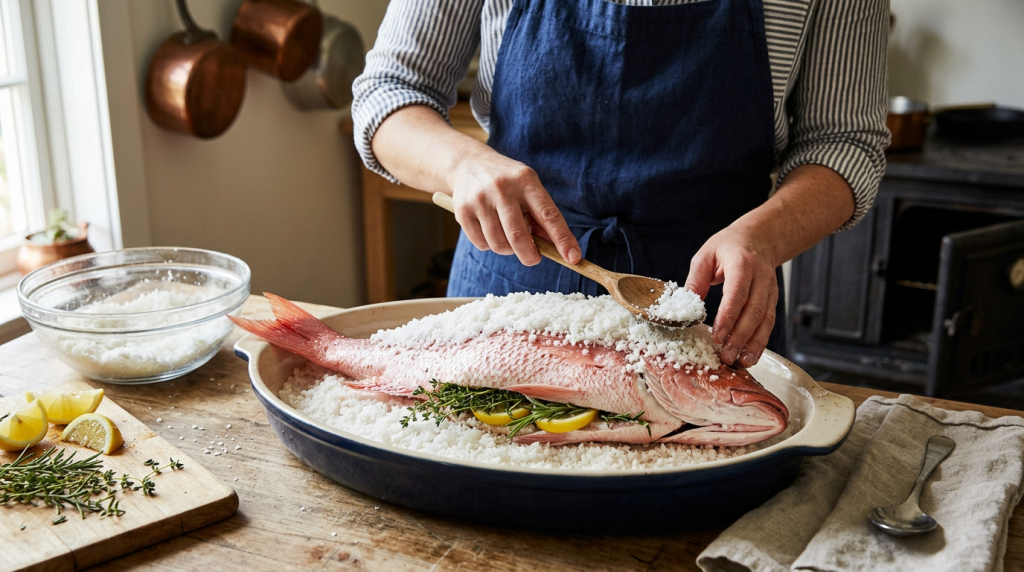
Salt crust baking dates back to ancient Roman and Middle Eastern culinary traditions, where whole fish, poultry, and even vegetables were encased in thick layers of salt and cooked over embers or in early hearth ovens. It was prized both as a preservation-adjacent technique and a way to cook delicate ingredients evenly without drying them out.
The science is based on insulation and steam retention. A hardened salt shell forms a protective barrier that traps moisture inside the food while distributing heat evenly from all sides. The result is a self-steaming environment where the ingredient cooks in its own juices, absorbing subtle salinity without becoming overly salty.
Skip the Fire Pit: Mix coarse salt with a small amount of egg white and water to create a moldable “salt dough.” Pack it around whole fish (like sea bass or trout), chicken, or even root vegetables, then bake at 400°F (200°C) until the crust hardens. Crack it open at the table for a dramatic reveal and perfectly tender, evenly cooked results.
1. Ash Roasting (Rescoldo)
Ash roasting, known as rescoldo in parts of South America, comes from Indigenous Andean and rural Latin American cooking traditions. Cooks bury vegetables, tubers, and meats directly in hot embers and ash at the edge of wood fires, relying on instinct and experience rather than tools or timers.
The science depends on radiant heat and slow conduction. Hot ash surrounds food and delivers steady, all-around heat while limiting direct flame contact, which prevents burning and encourages even caramelization. The ash layer also acts as a natural insulator, holding moisture inside while developing deep, smoky, earthy flavors.
Bring It Home: You can replicate ash roasting without an open fire by using a home oven and a bed of coarse salt or rock salt on a baking tray. Nestle potatoes, sweet potatoes, or whole carrots into the salt and roast at 425°F (220°C) until tender. For a closer match to the smoky rescoldo effect, add a pinch of smoked salt or finish the vegetables briefly under a broiler for that fire-kissed edge.
The Final Takeaway
Modern cooking is at its best when it blends today’s convenience and safety with the time-tested instincts of ancient kitchens.
Don’t try to overhaul your kitchen all at once. Pick just one of these techniques and bring it back to life this weekend.
Safety & Accuracy Addendum
1. Unglazed Clay Pot Cooking (Technique 6) — Use only certified cookware
Do not substitute gardening terracotta or planter-style clay vessels, even if they appear similar. Many non-culinary clays are not tested for food safety and may contain lead, cadmium, or other heavy metals that can leach into food when heated. Only use unglazed clay cookware explicitly manufactured and certified for culinary use.
2. Nixtamalization (Technique 5) — Treat lime as a caustic agent
Food-grade calcium hydroxide (pickling lime) is safe when used correctly, but it is still a strongly alkaline compound. Avoid inhaling the powder, and prevent direct skin or eye contact during handling. Always wash hands and utensils thoroughly after preparation, and store the lime securely away from children or food contaminants.
3. Sun-Curing & Dehydration (Technique 10) — Don’t apply the oven-door method to meat
Low-temperature dehydration in a home oven is fine for fruits, vegetables, and herbs. However, it should not be used for raw meats like beef jerky. Temperature fluctuations and prolonged exposure in the “danger zone” (40°F–140°F / 4°C–60°C) can allow harmful bacteria to multiply. Use a dedicated dehydrator or a method that maintains safe, consistent heat for proteins.
These refinements preserve the spirit of ancient cooking while keeping modern food safety standards firmly in place.