
Most home cooks rely on a familiar lineup of pantry staples such as garlic powder, oregano, cumin, black pepper, because they’re dependable, affordable, and easy to understand. There’s a certain comfort in knowing exactly what those spices will do every time they hit a pan, a pot, or a roasting tray. That consistency keeps weeknight cooking simple and stress-free.
But here’s where things quietly go off track. Many people buy an “exotic” spice for a single recipe, something like saffron for paella or sumac for a specific salad, use it once, and then watch it slowly fade into the background of the pantry. Not because it lacks value, but because no one ever explains how flexible these ingredients really are. Without that context, even the most powerful spices end up gathering dust.
The truth is, a lot of globally used spices suffer from bad PR in everyday home cooking. They get labeled as niche, complicated, or too intense, when in reality they’re some of the most versatile tools a cook can have. Once you understand how they actually behave, how they add acidity, depth, aroma, or texture without extra effort, they stop feeling intimidating and start feeling essential.
These 10 misunderstood spices can transform routine meals into something closer to restaurant-quality cooking, not by making things complicated, but by making flavors more complete, balanced, and intentional.
10. Amchoor (Mango Powder)
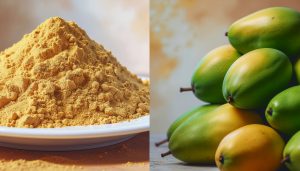
Amchoor often sits untouched on spice shelves because many home cooks simply don’t know what it is. Others assume it’s a sweet mango-flavored seasoning meant only for desserts or tropical dishes. Some shoppers skip it altogether because the pale beige powder looks underwhelming compared to more colorful spices. As a result, one of South Asia’s most useful pantry ingredients remains largely overlooked outside Indian cooking.
Made from unripe green mangoes that are sliced, dried, and ground into a fine powder, amchoor delivers something surprisingly rare in the spice world: bright acidity without adding liquid. Its flavor is tangy, fruity, and slightly citrusy, with subtle notes that fall somewhere between lemon zest and green apple. Originating in the Indian subcontinent, it has been used for centuries to add freshness and balance to curries, chutneys, vegetables, and snacks.
Think of it as a shelf-stable secret weapon for adding brightness when a squeeze of lemon would make a dish too wet or when fresh citrus simply isn’t available.
How to Use It
- Toss it over roasted potatoes or sweet potatoes for an instant tangy finish.
- Mix it into dry rubs for grilled chicken, lamb, or vegetables.
- Sprinkle a pinch over sliced cucumbers, tomatoes, or avocado toast instead of lemon juice.
- Stir it into chickpea salads and grain bowls to brighten flavors.
- Add a small amount to soups and lentil dishes just before serving for extra depth and freshness.
Once you start treating amchoor as a dry alternative to citrus, you’ll find yourself reaching for it far more often than expected.
9. Saffron
Saffron suffers from an image problem. Many people view it as an extravagant luxury reserved for wealthy chefs, special occasions, or restaurant dishes they would never attempt at home. Others assume its only purpose is to turn rice yellow, making it little more than an expensive food coloring. Faced with a high price tag and uncertainty about how to use it, most home cooks leave it on the shelf.
Saffron is harvested from the delicate stigmas of the saffron crocus flower and has been prized for thousands of years across regions stretching from the Middle East to the Mediterranean and South Asia. Its cost reflects the labor-intensive harvesting process, not marketing hype.
Flavor-wise, saffron is remarkably complex. It brings floral sweetness, subtle earthiness, hints of honey, and a distinctive aromatic warmth that no other spice can truly replicate. A little goes a long way—often just a few strands are enough to transform an entire dish. Rather than overpowering ingredients, saffron adds depth, elegance, and an almost mysterious richness that builds in the background.
The biggest secret? When used properly, saffron is often more affordable per serving than many people realize because only a tiny amount is needed.
How to Use It
- Steep a few strands in warm water, milk, or broth before adding them to rice dishes, risottos, or pilafs.
- Stir saffron-infused cream into seafood soups or sauces for an elegant flavor boost.
- Add it to scrambled eggs or omelets for a surprisingly luxurious breakfast.
- Mix saffron-infused milk into cakes, puddings, or custards.
- Use it in marinades for chicken, fish, or shrimp to add subtle floral complexity.
Treat saffron as a finishing touch rather than a bulk ingredient, and you’ll discover why civilizations have treasured it for centuries.
8. Fenugreek (Seeds & Leaves)
Fenugreek is one of the most misunderstood spices in the world because many people encounter it once, use too much, and never touch it again. The seeds are often described as bitter, while the dried leaves are mistaken for an obscure herb used only in Indian recipes. Some cooks even avoid fenugreek altogether after hearing that it smells unusual or medicinal.
Fenugreek is actually two highly useful ingredients in one. The seeds and leaves offer distinct flavors that can dramatically improve savory dishes when used correctly.
Fenugreek seeds, native to the Mediterranean, North Africa, and South Asia, have a warm, nutty flavor with hints of caramel, maple syrup, and toasted sugar beneath their natural bitterness. When cooked properly, that bitterness softens into a rich, complex depth.
Fenugreek leaves often sold dried as kasuri methi and are even more approachable. They deliver a fragrant blend of earthy, herbal, and slightly sweet notes that many people recognize as the signature aroma of restaurant-style curries. In fact, countless home cooks spend years trying to recreate that flavor without realizing fenugreek leaves are the missing ingredient.
The key is moderation. Fenugreek isn’t meant to dominate a dish; it’s meant to provide the subtle background complexity that makes flavors feel complete.
How to Use It
- Toast fenugreek seeds briefly before adding them to curries, lentils, or vegetable dishes.
- Grind a small amount of toasted seeds into spice blends and dry rubs.
- Crush dried fenugreek leaves between your palms and stir them into curries during the final few minutes of cooking.
- Sprinkle dried leaves over roasted vegetables or buttered potatoes.
- Add a pinch of fenugreek leaves to tomato sauces, stews, or creamy soups for extra depth.
As soon as you learn the difference between the seeds and the leaves, fenugreek transforms from an intimidating specialty ingredient into one of the most versatile flavor boosters in your pantry.
7. Nigella Seeds (Kalonji)
Nigella seeds are often mistaken for black sesame seeds, black cumin, or even burnt spice fragments. Because they look small and unassuming, many cooks assume they’re simply a decorative topping for bread and little else. Others buy them for a specific recipe, use a teaspoon, and then leave the jar forgotten in the back of the pantry for years.
Nigella seeds, known as kalonji throughout much of South Asia and the Middle East, come from the Nigella sativa plant and have a flavor unlike any other spice. They combine notes of onion, black pepper, oregano, and toasted nuts, creating a savory complexity that is difficult to replicate with a single ingredient.
Used for centuries across regions from North Africa to India, nigella seeds bring both aroma and texture to dishes. Their flavor becomes even more intriguing when lightly toasted, releasing a fragrant warmth that can make simple foods taste surprisingly sophisticated. Rather than serving as a garnish, they function as a true flavor-building spice that bridges herbal, peppery, and nutty elements.
For many cooks, nigella becomes a pantry revelation because it adds depth without overwhelming a dish.
How to Use It
- Sprinkle the seeds over homemade bread, flatbreads, or dinner rolls before baking.
- Stir them into roasted vegetable dishes, especially potatoes, carrots, or cauliflower.
- Mix a pinch into yogurt dips, labneh, or cream cheese spreads.
- Add them to salad dressings and vinaigrettes for subtle savory complexity.
- Toast lightly and scatter over hummus, grain bowls, or avocado toast.
Once you discover that nigella seeds are far more than a decorative topping, you’ll start finding excuses to add their distinctive savory character to everything from breads to vegetables and dips.
6. Mace
Mace is often dismissed as either an outdated spice from old-fashioned recipes or a more expensive version of nutmeg that serves no real purpose. Many home cooks don’t even realize the two are related, while others assume mace will make dishes taste overly sweet or holiday-like. As a result, it remains one of the least-used spices in modern pantries despite its remarkable versatility.
Mace and nutmeg come from the same fruit of the nutmeg tree, native to the historic Spice Islands of present-day Indonesia. Nutmeg is the seed found inside the fruit, while mace is the delicate crimson aril that surrounds that seed before being dried.
Although related, their flavors are not identical. Mace is lighter, more aromatic, and more refined than nutmeg. It offers warm notes of citrus, pepper, cinnamon, and sweet woodiness without the heavier sweetness that can sometimes dominate dishes flavored with nutmeg alone. Many chefs prefer mace when they want warmth and complexity without making a dish taste like dessert.
Historically prized in European, Middle Eastern, and South Asian cuisines, mace excels in both sweet and savory cooking. Its subtle elegance allows it to enhance other ingredients rather than compete with them.
How to Use It
- Add a pinch to creamy soups, mashed potatoes, or macaroni and cheese for extra depth.
- Stir it into béchamel, cream sauces, or cheese sauces.
- Use it in spice rubs for pork, chicken, or roasted vegetables.
- Add a small amount to baked goods, custards, or fruit desserts for a more sophisticated flavor than nutmeg alone.
- Mix it into rice dishes and pilafs to introduce gentle warmth and aroma.
Think of mace as nutmeg’s more nuanced cousin… less obvious, more versatile, and capable of adding a layer of complexity that makes people wonder what your secret ingredient is.
5. Asafoetida (Hing)
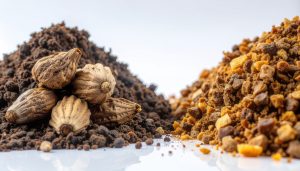
Asafoetida, more commonly known as hing, is one of the most unfairly judged spices in the world. Many people encounter it once, are hit with its extremely pungent sulfur-like aroma, and immediately assume it is spoiled, medicinal, or outright inedible. Some even describe it as smelling like rotten onions or garlic gone wrong, which leads them to believe it has no place in a modern kitchen.
Because of that first impression, hing is often dismissed before it ever gets a fair chance to cook.
Hing is a resin derived from the root of the Ferula plant, traditionally used in Indian, Middle Eastern, and Central Asian cooking for centuries. In its raw form, it is indeed intense, almost overwhelming. But the transformation it undergoes in hot oil or ghee is nothing short of culinary alchemy.
Once cooked, asafoetida mellows dramatically into a deep, savory aroma that closely resembles slow-cooked onion and garlic. In fact, it is often used as a substitute for both in traditional vegetarian cooking, especially in regions where onions and garlic are avoided for cultural or dietary reasons.
Its true strength lies in umami depth. Rather than tasting like a single ingredient, hing enhances the overall savoriness of a dish, binding flavors together in a way that feels richer and more rounded.
Used correctly and in tiny amounts, it becomes invisible in the final dish, yet unmistakably essential.
How to Use It
- Bloom a pinch in hot oil or ghee at the very start of cooking lentils or curries.
- Add it to tempering (tadka) for dals, soups, and vegetable dishes.
- Mix a small amount into spice blends for chickpea or potato-based recipes.
- Use it in pickles or chutneys to deepen savory complexity.
- Stir it into vegan or vegetarian dishes as a natural onion-garlic flavor base.
View hing as a background architect of flavor… unseen, uncelebrated, but absolutely foundational when used with confidence and restraint.
4. Star Anise
Star anise is often judged purely by appearance. Its dramatic, star-shaped pods make it look like a decorative item rather than a culinary ingredient, and many people assume it’s only used in mulled wine, festive baking, or niche Asian recipes. Others confuse it with anise seed and expect a licorice flavor that dominates everything it touches, leading them to use too much or avoid it entirely.
Star anise is the dried fruit of an evergreen tree native to Northeast Vietnam and Southwest China, and it is one of the defining spices of Chinese five-spice powder. While it does contain a natural licorice-like note, its flavor profile is far more layered than most people expect.
Beyond the sweet anise character, star anise brings warmth, depth, and a subtle peppery backbone that becomes richer the longer it simmers. It is especially powerful in slow-cooked dishes, where it infuses broths, sauces, and braises with a rounded, aromatic complexity that cannot be replicated by any single spice.
Used properly, star anise does not dominate… it anchors. It gives savory dishes a deep, almost velvety background note that makes everything else taste more complete.
How to Use It
- Add one or two pods to simmering broths, especially chicken, beef, or vegetable stocks.
- Drop into slow-cooked stews, curries, or braises for warm aromatic depth.
- Infuse into rice cooking water for subtle fragrance.
- Pair with cinnamon, cloves, and pepper in spice blends like Chinese five-spice.
- Steep in sauces or marinades, then remove before serving for a clean, layered flavor.
Treat star anise as a slow-release flavor engine, and it will quietly elevate your cooking from the background without ever stealing the spotlight.
3. Black Cardamom
Black cardamom often confuses home cooks who expect it to behave like its green counterpart. Many people avoid it because they assume it will make dishes taste like smoke alone, or they use it sparingly once and decide it overpowers everything. In reality, this misunderstanding usually comes from treating it like a finishing spice rather than a foundational one.
Black cardamom grows primarily in the Himalayas and is dried over open flames, which gives it its signature smoky aroma. But reducing it to “smoky” alone misses its deeper complexity.
When you cook with it properly, black cardamom adds warmth, resinous depth, and a subtle menthol-like freshness beneath the smoke. It behaves less like a spice that sits on top of food and more like one that builds the base layer of flavor in slow-cooked dishes.
Unlike green cardamom, which shines in desserts and lighter dishes, black cardamom thrives in long-simmered recipes where heat and time unlock its full character. Think of it as the spice that gives stews, curries, and broths their slow, earthy backbone.
The key insight: you don’t chase brightness with black cardamom, you build depth with it.
How to Use It
- Add whole pods early in cooking curries, dals, or meat stews so they infuse gradually.
- Drop one or two pods into rice while it cooks for a subtle smoky aroma.
- Crush lightly and add to marinades for grilled meats or roasted vegetables.
- Pair with cinnamon, cloves, and bay leaf in slow braises for layered warmth.
- Use sparingly in stock bases to add depth without turning the dish overly smoky.
Black cardamom rewards patience. Once you give it time to work, it turns simple slow-cooked food into something far more structured and complex.
2. Sichuan Peppercorns
Sichuan peppercorns confuse people before they even reach the pan. Many assume they are just “spicy peppercorns” or a hotter version of black pepper. Others try them once, focus only on the numbing sensation, and decide they overpower food or serve as a gimmick in Asian cuisine.
Because of that misunderstanding, home cooks often either avoid them completely or use them incorrectly in tiny, ineffective amounts.
Sichuan peppercorns come from the husks of berries from the Zanthoxylum plant, primarily grown in China and parts of the Himalayan region. They do not create heat like chili peppers. Instead, they produce a unique tingling, buzzing sensation known as “mala,” which literally combines numbing (ma) and spicy (la).
When you use them correctly, Sichuan peppercorns unlock a completely different sensory experience. They wake up the palate, enhance aromatic spices, and make rich or fatty dishes feel lighter and more dynamic. The flavor includes citrusy notes, floral hints, and a gentle woodiness beneath the signature tingle.
Rather than overwhelming food, they create contrast. That contrast gives depth to stir-fries, noodles, and braised dishes in a way few other spices can match.
How to Use It
- Toast the peppercorns lightly in a dry pan, then crush them and sprinkle over stir-fried vegetables or noodles.
- Infuse them into hot oil to create a base for chili oil or dipping sauces.
- Add them to marinades for chicken, beef, or tofu to build aromatic complexity.
- Combine them with dried chilies, garlic, and ginger for classic Sichuan-style dishes.
- Grind them fresh and finish dishes like fried rice or dumplings with a small pinch for a bright, tingling lift.
Sichuan peppercorns don’t just season food, they change how you experience it. Once you learn to control their intensity, you can turn even simple meals into something electric.
1. Sumac
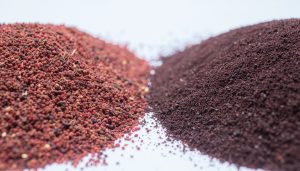
Many home cooks overlook sumac because they mistake it for a dull, reddish garnish or assume it simply replaces salt without adding real flavor. Others confuse it with chili powder or paprika and expect heat, so they feel disappointed when it doesn’t deliver any spiciness. As a result, sumac often stays buried in spice drawers, underused and misunderstood.
Sumac comes from the dried and ground berries of the Rhus plant, which grows widely across the Middle East and parts of the Mediterranean. Chefs prize it for its vibrant tang, not its heat.
When you taste sumac, you get a bright, lemony acidity with subtle fruity undertones and a gentle astringency that sharpens rich or fatty foods. Unlike lemon juice, sumac adds acidity without adding moisture, which gives you far more control over texture and balance in a dish.
Cooks across Levantine cuisine rely on sumac to bring freshness and contrast to grilled meats, flatbreads, salads, and dips. Once you understand its role, it stops behaving like a background spice and starts acting like a finishing accent that lifts entire dishes.
How to Use It
- Sprinkle it over grilled chicken, lamb, or fish just before serving to add a bright, tangy finish.
- Mix it into salad dressings or olive oil drizzles for extra acidity without lemon juice.
- Dust it over hummus, labneh, or yogurt-based dips for color and zing.
- Stir it into rice, couscous, or grain bowls to cut through richness.
- Combine it with salt and chili flakes as a simple, powerful seasoning blend for roasted vegetables.
Sumac rewards bold, last-minute use. Once you start finishing dishes with it, you’ll reach for it far more often than you expect.
Ready to Spice Things Up?
If there’s one takeaway from this list, it’s that “unfamiliar” rarely means “unusable.” It usually means underused. You don’t need to overhaul your pantry overnight or track down all 10 spices at once. Start with just one or two that sparked your curiosity. Maybe the citrusy brightness of sumac, the smoky depth of black cardamom, or the electric lift of Sichuan peppercorns. Build from there, one dish at a time, and let your cooking evolve naturally.
A small but important note: spices are living in their own quiet way. Over time, they lose potency, aroma, and complexity, especially when exposed to light, heat, or air. Keep your new pantry additions in airtight containers, stored in a cool, dark place, and they’ll reward you with far better flavor every time you cook.
Now I’m curious, which of these misunderstood spices are you most excited to try first? Or better yet, is there one you already use that you think deserves more credit in everyday cooking? Let us know in the comments below.