
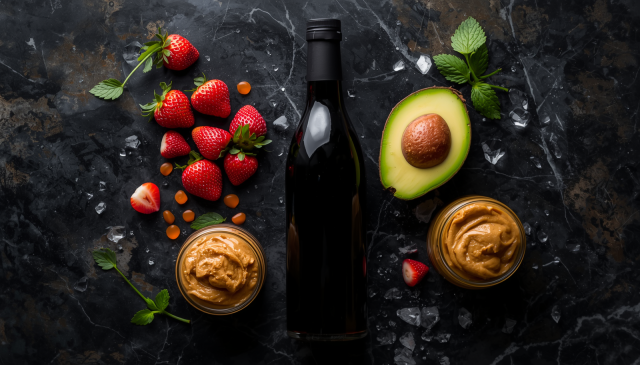

Food has a habit of judging itself before it’s even tasted. The moment you hear “soy sauce on ice cream” or “olive oil on dessert,” your brain tends to file it under culinary mistakes rather than culinary genius. Yet some of the most unforgettable flavor experiences in the world come from pairings that initially sound completely wrong. Across cultures, chefs, home cooks, and food historians have discovered that contrast, not comfort is often the secret to depth.
Sweet with salty, bitter with creamy, acidic with rich… these opposites don’t clash as much as they complete each other. In fact, food science shows that many ingredients we assume belong to separate worlds actually share overlapping flavor compounds or balancing chemical properties that make them unexpectedly harmonious.
Once you understand that logic, the “weird” starts to look intentional rather than accidental. And that’s exactly what makes the following combinations so fascinating: they don’t just challenge expectations, they quietly rewrite them. Let’s start with one of the most surprising sweet-savory transformations of them all.
10. White Miso and Caramel
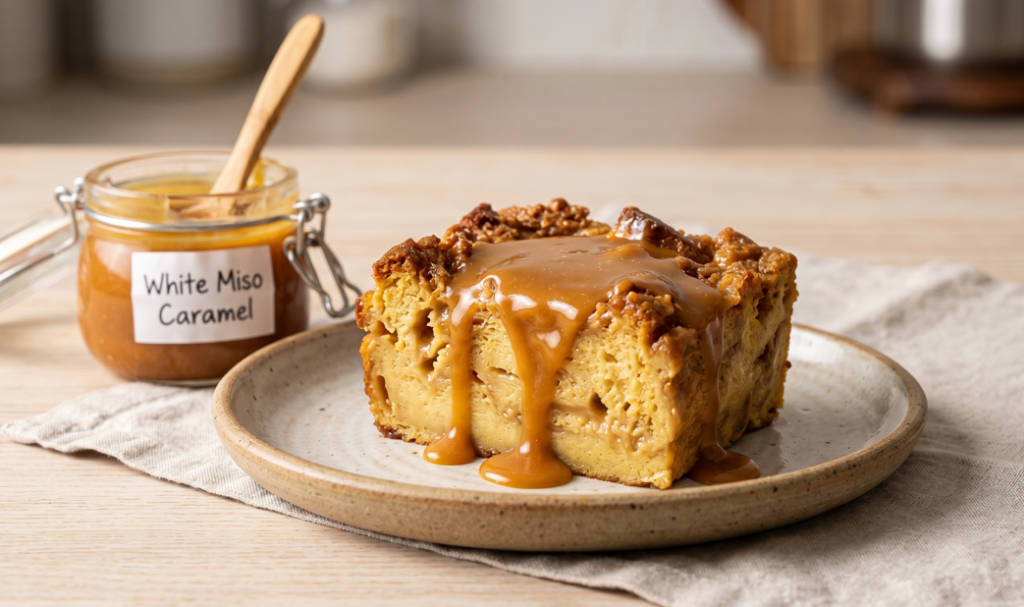
Fermented soybean paste mixed with burnt sugar sounds like a dessert disaster waiting to happen.
White miso is much milder and sweeter than darker varieties, but it still delivers a powerful dose of savory umami. When whisked into a classic caramel sauce, it adds layers of complexity that ordinary salt cannot replicate. The result is a rich balance of sweet, salty, nutty, and savory flavors that elevates caramel from a simple confection into a sophisticated pastry ingredient.
From a food science perspective, the pairing succeeds because both caramel and miso are packed with compounds created through browning and fermentation. These overlapping flavor molecules create depth and harmony rather than conflict. Miso’s subtle funk also helps cut through caramel’s intense sweetness, preventing the sauce from becoming cloying.
Today, white miso caramel appears in everything from artisanal ice cream and cheesecake to cookies and tarts. What initially sounds like an unlikely mashup is actually one of the most refined sweet-and-savory flavor pairings in modern baking.
9. Apple Pie and Sharp Cheddar Cheese
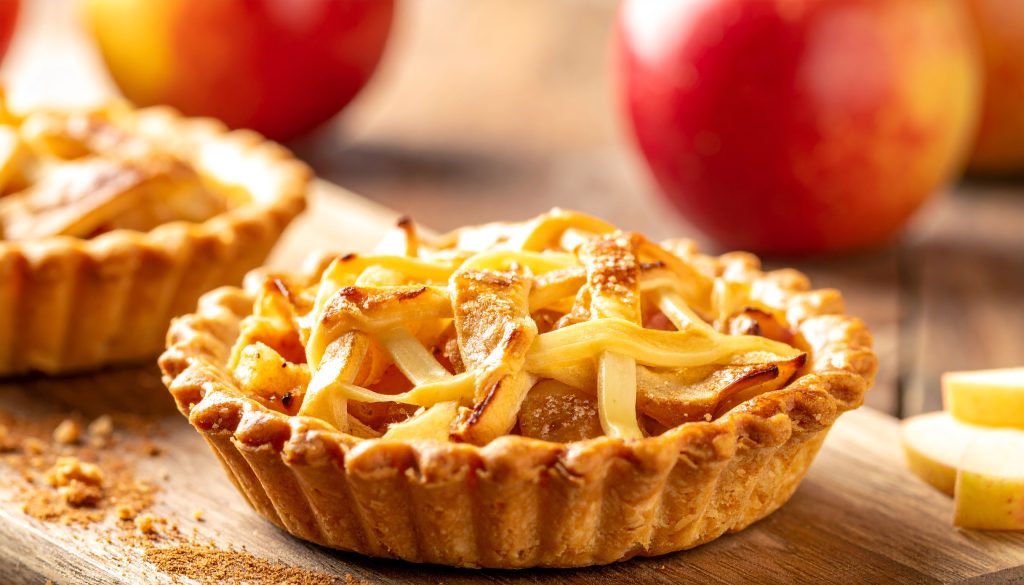
Melting pungent, aged cheese over a sweet, cinnamon-spiced dessert seems like a culinary mismatch.
Pairing apple pie with sharp cheddar cheese is far from a modern food experiment. The combination has roots in Yorkshire, England, and later became a cherished tradition throughout parts of the American Northeast, where a slice of cheddar alongside or even melted over apple pie remains a regional favorite.
The magic lies in contrast. Apple pie fillings are rich with sugar, fruit, butter, and warming spices, creating a dessert that can sometimes feel overwhelmingly sweet. Aged cheddar introduces a sharp, salty tang that cuts through that richness, balancing the flavors and preventing the pie from becoming syrupy or one-dimensional.
From a flavor perspective, apples and cheese share a long culinary history because fruit naturally complements the nutty, savory notes that develop during cheese aging. The result is a perfect sweet-and-savory partnership: the pie becomes more complex, while the cheese tastes creamier and more nuanced. What sounds unusual at first bite quickly reveals itself as one of the most enduring flavor combinations in the English-speaking world.
8. Espresso and Orange Juice
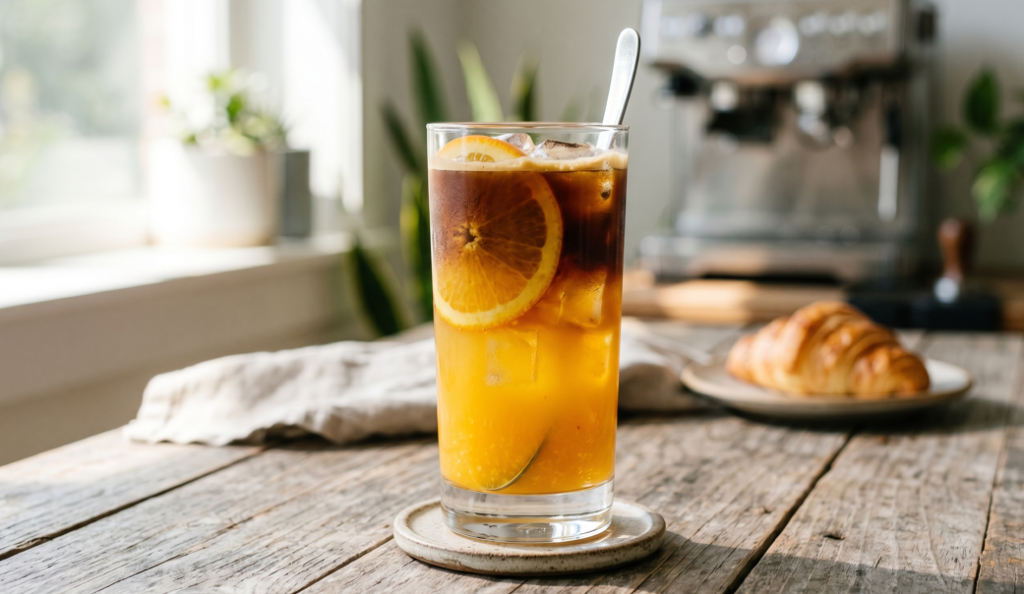
Mixing bitter, roasted coffee with highly acidic citrus sounds like a recipe for instant heartburn.
At first glance, espresso and orange juice seem destined to clash. One is dark, bitter, and intensely roasted, while the other is bright, sweet, and sharply acidic. Yet this surprisingly successful combination has become a popular specialty coffee drink often known as a “Bumble Coffee” or simply an espresso-orange.
The pairing works because coffee is, technically, the seed or pit of a fruit. Many light-to-medium roast coffees naturally contain subtle citrus, berry, and tropical fruit notes that can be difficult to detect on their own. The vibrant ascorbic acid in orange juice amplifies these hidden characteristics, bringing them to the forefront and making the coffee taste brighter and more complex.
Texture also plays an important role. The rich body and slight bitterness of espresso provide structure, while the orange juice adds freshness and sweetness. The result is a balanced, refreshing drink that feels more like a sophisticated mocktail than a traditional coffee beverage. What sounds like an odd experiment often surprises first-time drinkers with its crisp, energetic flavor profile.
7. Tomatoes and Fresh Strawberries
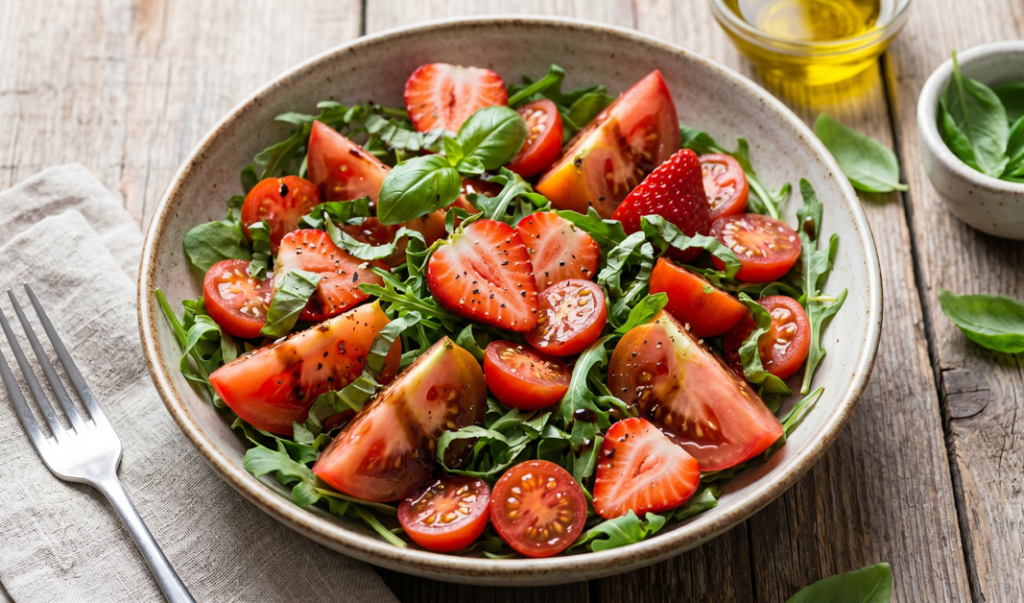
Combining a savory salad staple with a sweet dessert fruit sounds completely counterintuitive.
Tomatoes and strawberries may seem worlds apart in the kitchen, but they are surprisingly close from a flavor chemistry standpoint. Researchers have found that the two share many of the same aromatic compounds, which helps explain why they complement each other far better than most people expect.
Both ingredients also strike a similar balance between sweetness and acidity. Ripe strawberries bring floral fruitiness, while tomatoes contribute savory depth and freshness. When combined, they create a flavor profile that feels brighter, more layered, and more complex than either ingredient delivers alone.
This pairing shines in warm-weather dishes. Replacing part of the tomato content in a chilled gazpacho with fresh strawberries adds a subtle sweetness and aromatic lift. Likewise, mixing strawberries and tomatoes in a basil salad creates a refreshing combination where the fruit enhances the tomato’s natural sweetness rather than competing with it. What sounds like an unlikely pairing is actually one of the most elegant ways to celebrate summer produce.
6. Avocado and Sweetened Condensed Milk
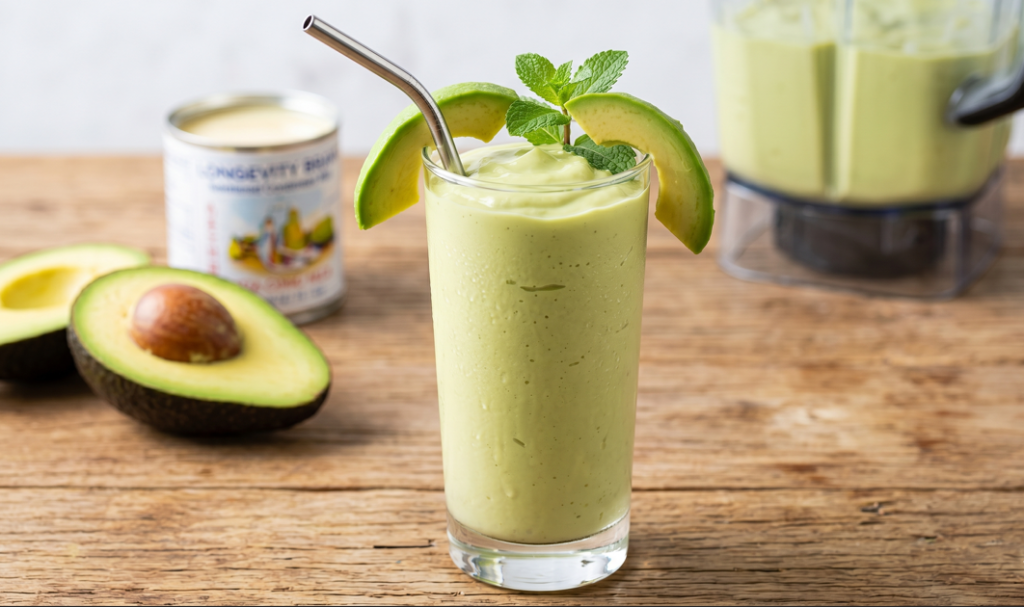
For many people, avocados belong in guacamole and not blended into a sweet dessert.
The idea of combining avocado with sweetened condensed milk often surprises those accustomed to seeing avocados in savory dishes. However, botanically speaking, an avocado is a fruit, more specifically, a single-seeded berry. In many parts of Southeast Asia and South America, it has long been enjoyed in sweet drinks, puddings, and desserts.
The secret to the pairing is avocado’s exceptionally high fat content. Unlike strongly flavored fruits, avocados have a mild, neutral taste that allows them to act almost like a dairy ingredient. When blended with sweetened condensed milk, the fruit develops a luxuriously smooth texture that resembles custard, mousse, or even premium ice cream.
The condensed milk contributes sweetness and richness, while the avocado provides body and a silky mouthfeel. Together, they create a dessert that feels indulgent without requiring eggs or cream. What may sound unusual from a Western perspective is actually a time-tested combination that transforms a familiar savory ingredient into a naturally velvety sweet treat.
5. Soy Sauce and Vanilla Ice Cream
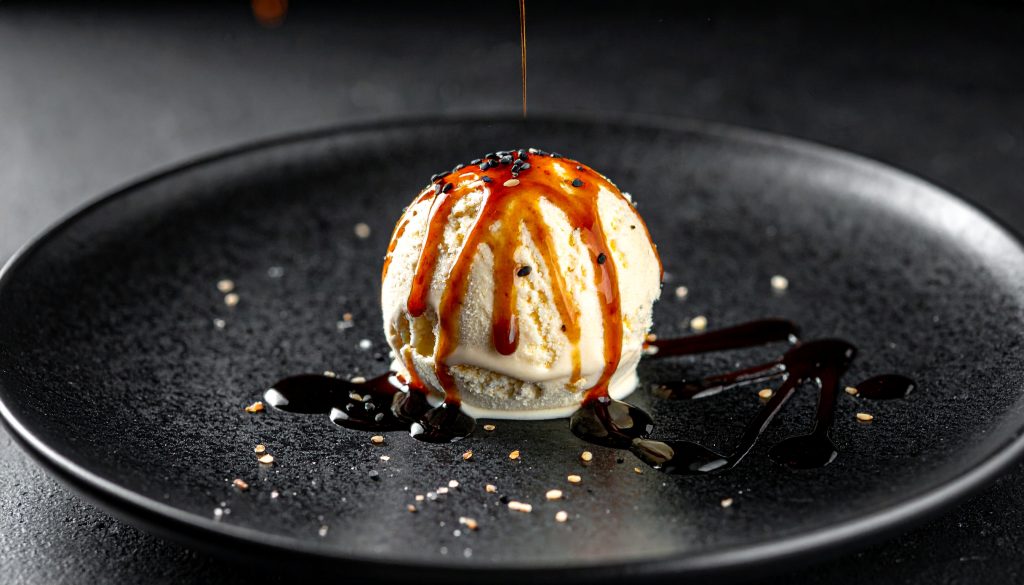
Salty, fermented soy sauce poured over sweet, creamy vanilla ice cream sounds like a dessert gone wrong.
This pairing works on the same fundamental principle as salted caramel: contrast enhances sweetness. Soy sauce delivers a concentrated burst of sodium and deep umami derived from fermentation, both of which intensify the perception of sweetness in dairy-based desserts.
When used sparingly, high-quality soy sauce doesn’t overwhelm the ice cream. Instead, its savory depth blends into the vanilla base, softening the perceived saltiness while amplifying caramel-like undertones already present in the dairy and sugar. The result is a surprisingly balanced sweet-savory profile.
Fermentation also plays a key role. The amino acids in soy sauce interact with the creamy fat of the ice cream, creating a richer mouthfeel and a lingering, almost toffee-like finish. What initially sounds like a culinary prank often tastes closer to roasted butterscotch or salted caramel with an unexpected umami backbone.
4. Dark Chocolate and Parmesan Cheese
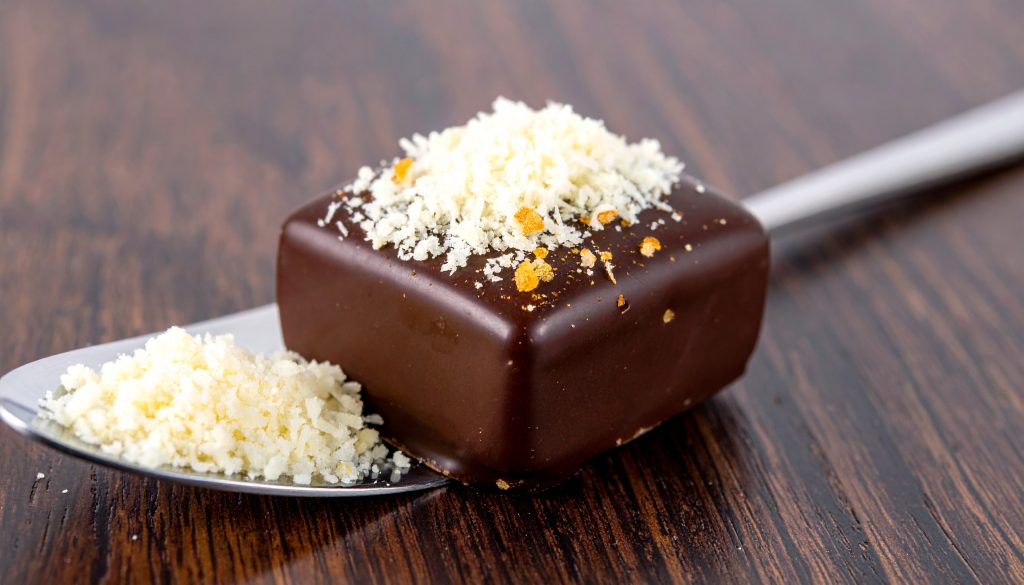
Combining bitter cocoa with sharp, crystalline aged cheese sounds like a guaranteed way to ruin both ingredients.
This pairing is a classic example of how shared flavor chemistry can create harmony in unexpected places. Both dark chocolate and aged Parmesan contain overlapping aromatic compounds formed during fermentation and aging, including fatty acid derivatives that contribute to their depth and complexity.
When eaten together, Parmesan’s salt crystals act as flavor amplifiers. They enhance the natural fruitiness and subtle acidity found in high-quality dark chocolate, especially varieties with higher cacao percentages. At the same time, the cocoa’s richness softens the cheese’s sharp, crystalline bite, making it taste rounder and more buttery.
Texture also plays a crucial role. The brittle snap of chocolate contrasts with the granular, savory crumble of Parmesan, creating a layered mouthfeel that keeps each bite dynamic. What initially seems like a clash of dessert and antipasto actually becomes a surprisingly balanced tasting experience, often compared to a refined cheese board with a chocolate-forward twist.
3. Peanut Butter and Dill Pickles
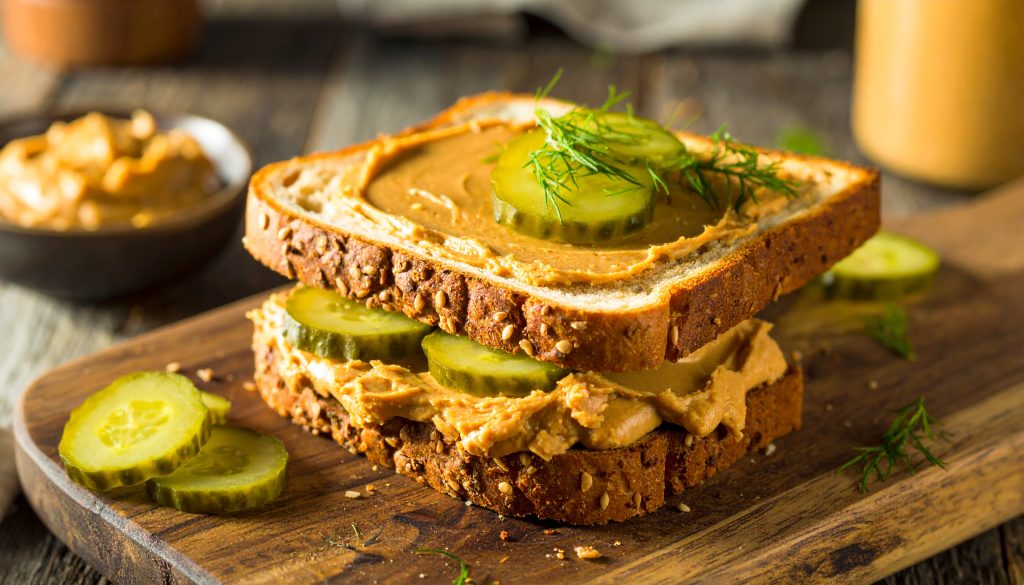
It sounds like a desperate midnight snack or a questionable pregnancy craving cliché.
Peanut butter and dill pickles have actually been around far longer than their reputation suggests. During the Great Depression, when ingredients were limited, this combination appeared in sandwiches as an affordable, filling option that delivered both protein and acidity in a single bite.
The pairing succeeds because it mirrors the same balance principle found in burgers and other classic comfort foods. Peanut butter is dense, fatty, and slightly sweet, while dill pickles bring sharp vinegar, salt, and brine. The acidity cuts through the heaviness of the nut butter, preventing it from feeling cloying or overly rich.
Texture completes the experience. The creamy, sticky consistency of peanut butter contrasts with the crisp snap of pickles, creating a bite that is both smooth and crunchy. What initially sounds like an odd pantry experiment actually works because it delivers the exact sensory balance, fat, salt, acid, and crunch that defines many beloved savory snacks.
2. Strawberries and Aged Balsamic Vinegar
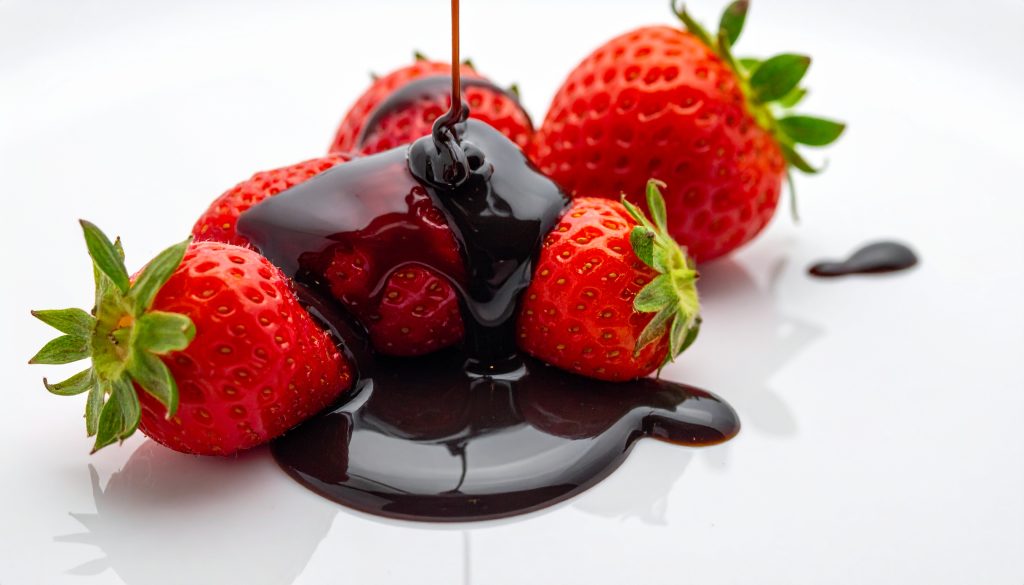
Drizzling salad dressing over fresh berries sounds like a picnic mistake rather than a deliberate dessert pairing.
This combination works because high-quality aged balsamic vinegar is far from a simple acidic condiment. Traditional balsamic from Modena develops a naturally sweet, woody complexity over years of aging, often featuring notes of fig, molasses, and dried fruit that complement rather than overpower fresh produce.
When poured over ripe strawberries, the vinegar’s acetic acid gently breaks down the fruit’s surface, encouraging it to release its natural juices. This process creates a concentrated syrup that blends the strawberry’s bright sweetness with balsamic’s deep, caramel-like richness.
The result is a layered flavor experience: the berries become more intense and fragrant, while the vinegar loses its sharp edge and turns almost dessert-like. What sounds like a savory intrusion is actually one of the most elegant and time-tested ways to enhance fresh fruit without adding extra sugar.
1. Extra Virgin Olive Oil and Vanilla Ice Cream
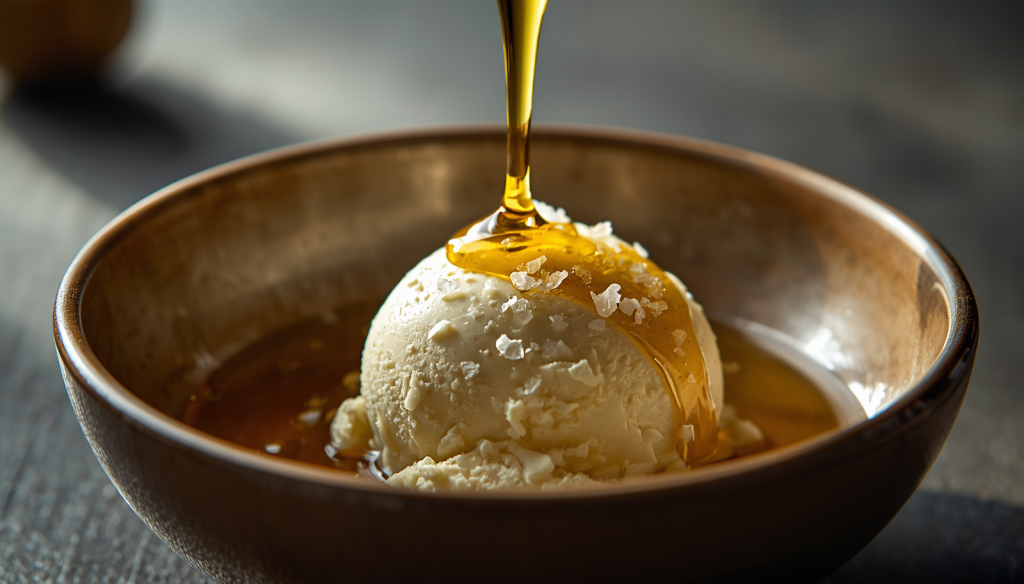
Drizzling cooking fat over a delicate dessert feels unnecessarily heavy and completely counterintuitive.
This pairing is a celebrated Italian tradition, often referred to as gelato con olio e sale. It relies on the fact that high-quality extra virgin olive oil is not just a fat, but a complex aromatic ingredient with layers of grassy, peppery, and fruity notes.
When poured over vanilla ice cream, the olive oil behaves almost like a savory syrup. Its richness enhances the creaminess of the dairy base, while its natural bitterness and fruit-forward undertones cut through the sweetness, preventing the dessert from becoming cloying.
A finishing touch of flaky sea salt elevates the entire experience. The salt sharpens both the vanilla and the olive oil, creating a balanced contrast that highlights texture as much as flavor. The result is a dessert that feels unexpectedly sophisticated, somewhere between a Mediterranean tasting plate and a modern fine-dining dessert course.
Weird Food Pairings That Actually Make Sense
What seems strange on paper often turns out to be surprisingly logical on the palate. Across cultures and centuries, cooks have been balancing fat with acid, sweet with salt, and rich with bitterness long before “flavor pairing science” gave it a name. These combinations prove that some of the most memorable eating experiences come from breaking the rules first.
Once you understand the underlying principles such as contrast, umami, acidity, and texture, these so-called “bizarre” pairings start to feel less like culinary risks and more like clever shortcuts to deeper flavor.
Have You Tried Any of These?
Have you tried any of these bizarre combinations? Or do you have a secret weird food pairing of your own that sounds questionable but tastes incredible? Share it in the comments below. We’re always looking for the next unlikely flavor match.